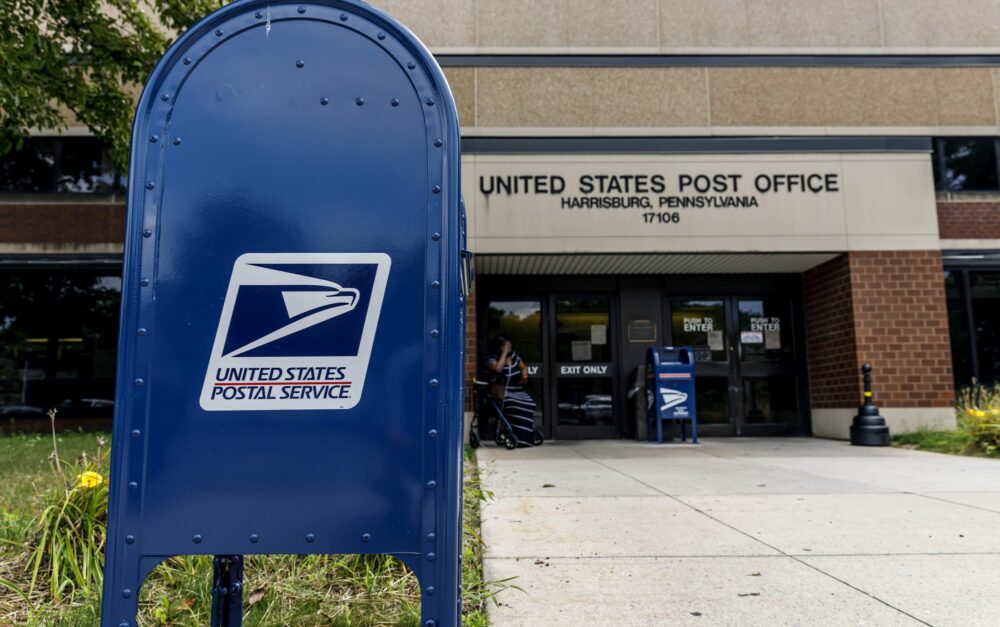
Postal banking can be the first financial institution to cater to the financial well-being of low-to-moderate income American households. Existing consumer finance companies target and prey on this group of hard-working clients.
Families in low-income and rural neighborhoods often have no choice to access financial products from the few predatory lenders in their areas. Traditional banks decided many years ago that it’s no longer good business to serve those communities.
America can and should provide essential financial services to its citizens to combat this type of financial abuse. Senator Elizabeth Warren has been advocating and outlining the benefits of postal banking for more than a decade.
The United States Postal Service (USPS) has adequate infrastructure, advanced technologies, and resources that the country can leverage to provide consumers with targeted, low-cost, and clear-cut financial products, including enhanced checking and savings accounts, debit and credit cards, and remittance services.
The United States Postal Service (USPS)
Article I, Section 8 from the Constitution gave Congress the power to establish Post Offices and Post Roads in 1789.
In the fiscal year of 2020, there were 34,451 USPS post offices across the United States, and Its law enforcement arm (the United States Postal Inspection Service) is responsible for enforcing 200 federal laws related to mail service, investigating crimes involving the mail service, and ensure the safety of high-value deliveries and postal properties.
In all, USPS has 469,934 career employees and 136 174 non-career employees. By contrast, JPMorgan Chase Bank, the US largest bank, has 5,100 branches in the US, and the United States’ biggest bank has nearly seven times fewer locations than the USPS.
The USPS has a gigantic footprint in the country, and its locations are in all American communities–urban, suburban, and rural.
Why the USPS Should Provide Basic Financial Services
The USPS introduced postage stamps in 1847. The first postage stamp, which depicted the first Postmaster General, Benjamin Frankly, cost 5 cents.
America’s postal service has been worried about its financial position since the introduction of the first stamp. The organization has been experiencing significant delivery delays and economic issues for decades.
Providing the American consumer with targeted and low-cost financial products can help the firm fix its balance sheet issues.
Working-class Americans who live in predominantly Black and Latino communities will benefit significantly from a government-backed consumer finance company.
The underbanked and unbanked consumers will not have to rely on payday and other predatory lenders that charge them annual rates north of 600% in some states.
The Price of Basic Financial Product
For the nearly 160 million Americans who don’t have good credit scores or the 25% of US households who are either unbanked and underbanked, or the 11 million working-age adults who don’t speak English well, financial products can be prohibitively costly to access.
The groups mentioned above pay exorbitant fees on microloans, remittance services, checking and savings accounts, and more.
There is a subsector of the financial industry whose business model is to take advantage of vulnerable low-to-moderate income consumers. The Consumer Financial Protection Bureau (CFPB) and the Comptroller of the Currency could fold the sector if they wanted to protect consumers. However, their policies make it easier for it to strive and prey on consumers.
Why Type of Financial Products Should the USPS Provide
Enhanced bank accounts, microloans, insurance, remittance services are amongst the essential banking services that the USPS is equipped to provide to all American households. The United States Postal Service can be a one-stop banking service hub for low-income and rural communities.