



Why Mortgages Are Different Most mortgage lenders still use old FICO models (2, 4, and 5), not the shiny new versions. Why? Because Fannie Mae and...


Credit card companies care about one thing above all: how you handle revolving debt. That’s why the Bankcard model weighs factors like utilization (your balances vs....


Millions of Americans are what lenders call “credit invisible.” They don’t have enough history to generate a traditional FICO score, yet they pay rent, utilities, phone...
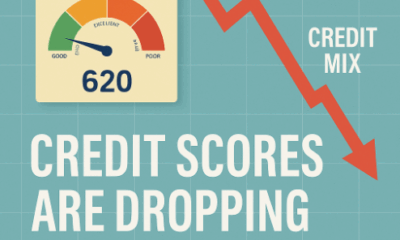

Credit scores in the U.S. are slipping, and fast. The average FICO® Score has dropped to 715 in 2025, down from its pandemic-era highs. For some...

Bottom line: The deceased person’s accounts don’t just vanish—they’re typically settled by the estate. Reports will eventually reflect a “deceased” indicator, and you’ll coordinate closures with...

Credit bureaus allow a spouse or court-appointed personal representative/executor to request the decedent’s credit report by mail with proof (death certificate + proof of authority +...

Short answer: Federal student loans are discharged upon death with proof; mortgages and auto loans don’t disappear—they’re usually handled by the estate or assumed by eligible...


Introduction: Why $1,000 Matters but Isn’t Enough Let’s start with a reality check. The median emergency savings in America is about $600–$1,000, according to multiple surveys....


Introduction: Why ROI Matters More Than Prestige in 2026 For middle-class families, the cost of college is no longer just a financial decision — it’s an...


Introduction No credit history? You’re not alone. Millions of Americans live in a cash-first world, or simply haven’t used credit cards or loans enough to generate...