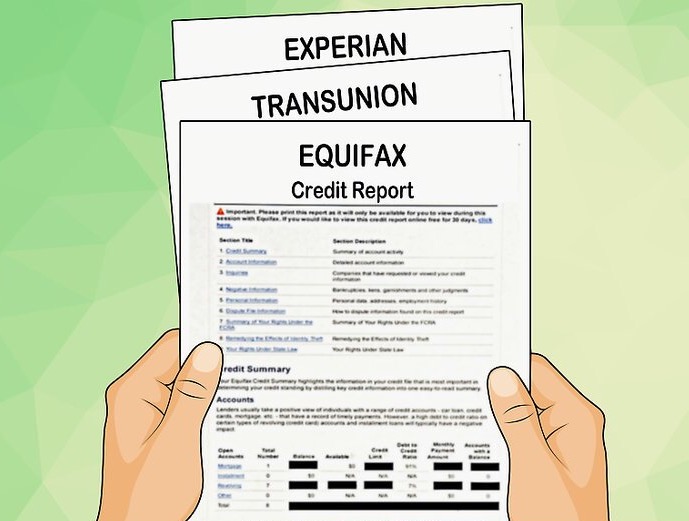
Credit reports are a crucial aspect of your financial life. They provide lenders with the information they need to assess your creditworthiness, determine whether to approve or deny a credit application and set the terms of any approved credit.
Unfortunately, errors on credit reports are common, and they can significantly impact your credit score and overall financial health.
According to a Federal Trade Commission (FTC) study, approximately one in five people has an error on at least one of their credit reports. This means that 20% of people are potentially being penalized by lenders for mistakes that are not their fault.
This article will explore some of the most common errors people find on their credit reports, the reasons behind these mistakes, and alternative solutions to address these issues.
Incorrect Personal Information
One of the most common errors on credit reports is incorrect personal information. This may include incorrect names, social security numbers, addresses, or phone numbers. While these errors may seem minor, they can cause significant problems.
For example, if your name is spelled incorrectly, it may be difficult for lenders to verify your identity. This could lead to delayed credit approvals or even denials.
Reasoning behind the error: This type often occurs when lenders or credit bureaus receive incorrect information from a source such as a bank or a credit card company.
Alternative solution: If you find an error in your personal information, contact the credit bureau and provide the correct information. You may also want to contact the source of the incorrect information and request that they correct it.
Incorrect Account Information
Another common error on credit reports is incorrect account information. This may include accounts that are not yours, accounts that have been closed but still appear as open, or accounts with incorrect balances.
These errors can significantly impact your credit score, as they may affect your credit utilization ratio or length of credit history.
Reasoning behind the error: This type of error can occur for a variety of reasons. It may be due to identity theft, where a fraudster opens an account in your name, or it may be a mistake made by a lender or credit bureau.
Alternative solution: If you find an error in your account information, you should contact the credit bureau and dispute the error. You may also want to contact the lender or creditor directly and request that they correct the error.
Inaccurate Late Payments
Late payments can significantly impact your credit score, so it’s essential that they are accurately reported on your credit report.
Unfortunately, late payments are one of the most common errors on credit reports. This may include payments that were not late or made on time but were reported as late.
Reasoning behind the error: This type of error may occur if a payment was delayed in the mail or if a payment was processed after the due date but before the grace period ended. It may also be due to a mistake made by the lender or credit bureau.
Alternative solution: If you find an error in your late payment information, you should contact the credit bureau and dispute the error. You may also want to contact the lender or creditor directly and provide them with evidence that the payment was made on time.
Duplicate Accounts
Duplicate accounts are another common error on credit reports. This may include multiple accounts for the same loan or credit card.
Duplicate accounts can make it appear that you have more debt than you do, which can negatively impact your credit score.
Reasoning behind the error: This type of error may occur if a lender or credit bureau receives multiple reports for the same account. It may also be due to a mistake made by the lender or credit bureau.
Alternative solution: If you find a duplicate account on your credit report, you should contact the credit bureau and dispute the error.
You may also want to contact the lender or creditor directly and provide them with evidence that the duplicate account should be removed.
Incorrect Credit Limits
Credit limits are an important part of your credit report, as they are used to calculate your credit utilization ratio. Unfortunately, errors in credit limits are another common issue on credit reports. This may include credit limits that are too high or too low.
Reasoning behind the error: This type of error may occur if a lender or credit bureau receives incorrect information about your credit limit. It may also be due to a mistake made by the lender or credit bureau.
Alternative solution: If you find an error in your credit limit information, you should contact the credit bureau and dispute the error. You may also want to contact the lender or creditor directly and provide them with evidence of your correct credit limit.
Outdated Information
Outdated information is another common error on credit reports. This may include accounts that have been closed or paid off but still appear as open, or negative information that should have been removed after a certain period.
Reasoning behind the error: This type of error may occur if a lender or credit bureau fails to update your credit report with the correct information. It may also be due to a mistake made by the lender or credit bureau.
Alternative solution: If you find outdated information on your credit report, contact the credit bureau and dispute the error. You may also want to contact the lender or creditor directly and request that they update your credit report with the correct information.
Identity Theft
Identity theft is a serious issue that can significantly impact your credit report. If someone steals your identity and opens accounts in your name, it can result in negative information on your credit report and a lower credit score.
Reasoning behind the error: Identity theft occurs when someone gains access to your personal information and uses it to open accounts in your name. This may include stealing your social security number, credit card information, or other personal information.
Alternative solution: If you suspect you are a victim of identity theft, you should contact the credit bureaus and place a fraud alert on your credit report.
You should also contact the lenders or creditors associated with the fraudulent accounts and report the fraud to the police.
Conclusion
Errors on credit reports can have a significant impact on your financial health, so it’s essential to monitor your credit report regularly and address any errors as soon as possible.
The most common errors on credit reports include incorrect personal information, incorrect account information, inaccurate late payments, duplicate accounts, incorrect credit limits, outdated information, and identity theft.
If you find an error on your credit report, you should contact the credit bureau and dispute the error.
You may also want to contact the lender or creditor directly and request that they correct the error.
By taking these steps, you can ensure that your credit report is accurate and that you are not penalized for mistakes that are not your fault.