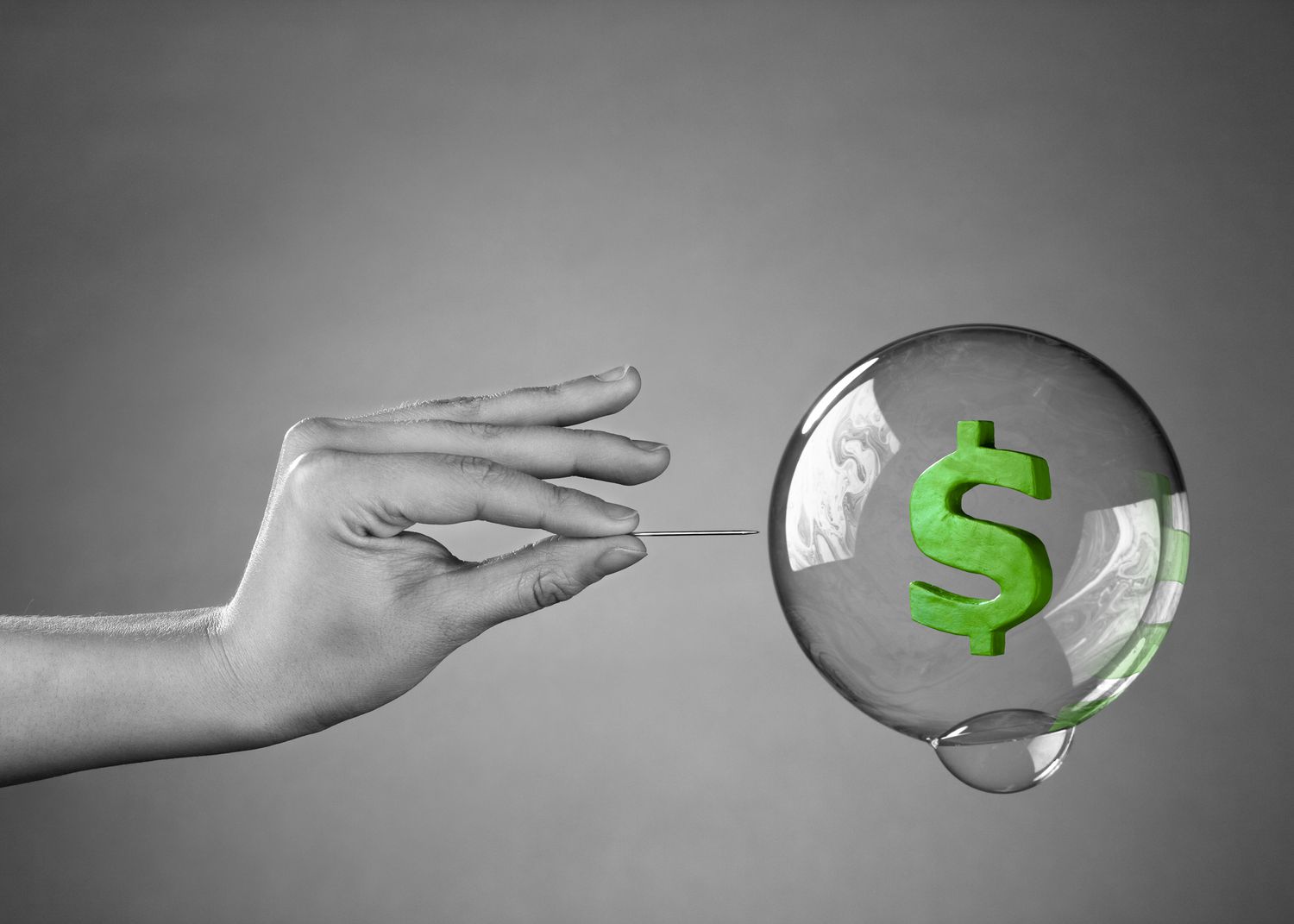
From Dot-com to U.S. Housing to Chinese Real Estate, there have been about nine notable global asset bubbles since the Great Depression. The most recent was the Special Purpose Acquisition Company (SPAC) bubble, which resulted from hyper-speculation.
SPACs are shell companies created to take private companies public. Nikola Corporation, DraftKings, and Trump Media are notable SPACs that went public through mergers with VectoIQ Acquisition Corp, Diamond Eagle Acquisition Corp, and Digital World Acquisition Corp, respectively.
Notable SPACs have high-profile backers, and their targeted companies significantly impact their respective industries.
Another asset bubble will undoubtedly occur, but predicting its timing and nature is challenging.
The challenge of predicting the next asset bubble is underscored by their tendency to form in unexpected areas, driven by a mix of speculation, economic conditions, and technological or financial innovations.
This article aims to extrapolate as much information as possible from the last nine asset bubbles and make some predictions about which asset class (or classes) will be poised for the next bubble.
Notable Asset Bubbles Since the Great Depression
The Great Depression (1929)
- Causes: Stock market speculation led to inflated stock prices. Excessive borrowing and margin buying fueled the bubble.
- Impact: When the market crashed, it wiped out millions of investors and collapsed banking.
Japanese Asset Bubble (1980s)
- Causes: Excessive monetary easing and speculation in real estate and stock markets, rapid economic growth, and lax lending standards contributed to inflated asset prices.
- Impact: The bubble burst in the early 1990s, leading to prolonged economic stagnation.
Dot-com Bubble (Late 1990s to 2000)
- Causes: Speculation in internet-based companies led to inflated stock prices. Many companies were overvalued based on the expectation of future profits that never materialized.
- Impact: The bubble burst in 2000, causing significant losses in tech stocks.
U.S. Housing Bubble (Mid-2000s)
- Causes: Easy credit and subprime lending practices led to a surge in housing prices, and financial innovations like mortgage-backed securities spread risk across the financial system.
- Impact: When the housing market collapsed, it triggered the global financial crisis in 2008.
Chinese Real Estate Bubble (2000s to present)
- Causes: Rapid urbanization and speculative real estate investments contributed to rising prices. Government policies encouraging property ownership and infrastructure development also contributed.
- Impact: High debt levels lead to concerns about a potential collapse.
Cryptocurrency Bubble (2017)
- Causes: Speculation in digital currencies like Bitcoin and Ethereum. Media hype and the fear of missing out (FOMO) drove prices to unprecedented levels.
- Impact: Regulatory uncertainties and market corrections led to significant volatility and a crash in 2018.
Dot-com Bubble 2.0 (2020s)
- Causes: Speculation in tech stocks, fueled by low interest rates and massive liquidity injections by central banks during the COVID-19 pandemic. Companies with little to no profits saw skyrocketing valuations.
- Impact: The bubble showed signs of bursting in late 2021 and early 2022.
NFT (Non-Fungible Token) Bubble (2020-2021)
- Causes: Speculation in digital art and collectibles driven by the popularity of blockchain technology. Media coverage and celebrity endorsements fueled a surge in prices.
- Impact: The market saw significant corrections by the end of 2021.
SPAC (Special Purpose Acquisition Company) Bubble (2020-2021)
- Causes: A surge in SPACs are shell companies created to take private companies public. High investor interest and speculative investments drove up the valuations of many target companies.
- Impact: The market cooled down significantly in 2021.
The Next Asset Bubble
The next asset bubble will likely result from correcting the current semi-bubble of inflated corporate stock prices. Amid COVID, the government put extra money in people’s and corporations’ pockets through its monetary and fiscal policies. Individuals use their extra cash to buy products that drive inflation, and corporations use their extra dollars to buy back their stocks.
Stock buybacks mean a company purchases its shares from the marketplace, reducing the number of shares available. This can increase the value of the remaining shares and boost financial metrics like earnings per share (EPS). S&P Dow Jones Indices data shows that buybacks for S&P 500 companies reached around $3 trillion from 2021 to 2023.
The U.S. economy starts flickering deflationary signs, which might force the Fed to cut its benchmark rate, also known as the federal funds rate, by as much as 50 basis points as soon as September this year. This means that the rate might end the year in a range of 4.75% to 5% and much lower in the next couple of years with continuous rate cuts.
A low federal funds rate means low yields on money market funds, fixed income, and cheap money available to investors and speculators.
The common denominators for all nine asset bubbles since the Great Depression have been easy money instituted by central banks, hyper-speculation, irrational exuberance, and high investor interest.
Cheap money will create aggregate demand in the real estate market, which will birth the next asset bubble in the housing sector.
Except for isolated pockets like Florida and Hawaii, the U.S. housing market has been in a malaise for the past 2-plus years when the 30-year fixed mortgage rate jumped above 5% in April 2022. It went up to as high as 7.5% and is now hovering around 6.8%.
Housing inventory has increased year over year, but it remains below historical norms. Moreover, as of 2024, approximately 34.8% of occupied housing units in the United States are renter-occupied, and many renters strongly desire to become homeowners.
If the Fed starts cutting interest rates in September and brings them back to their record low of 0% to 0.25%, set in response to the 2008 financial crisis and the COVID-19 pandemic, prospective homebuyers might see the 30-year fixed mortgage rate below 4%. In January 2021, it was at 2.65%, the lowest mortgage rate in history.
Between renters wanting to be homeowners, large corporations and institutional investors playing a significant role in the U.S. residential rental market, and the hyper-speculators wishing to make a few bucks flipping houses, the Federal Reserve’s easy money policy will create the next bubble in the housing sector.
Conclusion
Understanding the patterns and causes of asset bubbles can help investors anticipate and navigate future financial challenges. The housing market, driven by easy monetary policies and speculative investment, is poised to be the next major bubble.
By examining past bubbles and current economic indicators, we can better prepare for the financial shifts ahead.