Buy Now Pay Later, or BNPL Companies, are suitable for people who usually do not have the money to buy something right away.
If you are looking for a new flat-screen TV, but don’t have enough cash on hand to pay for it all at once, then you should use a BNPL Company to make monthly payments until you have paid off your debt.
Many companies, especially retailers, are getting rid of their layaway programs and offering their clients Buy Now Pay Later Now options.
What Is “Buy Now Pay Later”?
These plans allow customers to get a product before they pay for it. Some of these companies advertise their services as “flexible credit.” Still, if you miss too many monthly payments or fail to pay off your balance in time, the company will charge outrageous interest rates that can be more than double the initially borrowed amount!
Customers will even have to pay back the entire borrowed amount in some cases!
Buy Now Pay Later Companies are not for people who need extra time to pay off their debts. Customers should only use these companies to repay their debt in full on time; otherwise, they will end up paying more than what they originally owed.
BNPL Companies will charge you very high-interest rates. You must ensure that you can afford to make monthly payments, so do your calculations before signing up for the service.
If you miss too many payments or fail to pay off your balance quickly enough, then the company may charge a fee of 20% – 30% of the balance due, and this is in addition to charging extremely high-interest rates!
For customers with bad credit or no credit at all, it is tough to get a loan from a bank. But when you use Buy Now Pay Later Now Companies, you can buy expensive products and not have to pay in full right away.
Don’t Miss Your BNPL Payments
If you fail to make your monthly payments on time, then the company may charge outrageously high-interest rates, and in some cases, they will even repossess your product without refunding you any of the money that was initially borrowed!
Most borrowers do not realize how much these companies will charge them for borrowing money that was never paid back. You should only use these services if you are prepared to pay off the entire balance in full every month; otherwise, be aware that annualized interest rates range between 90% and700%.
Most BNPL Companies operate on a rigorous business model which allows consumers to buy goods that they cannot afford at the moment. Most companies will let you borrow up to $2,000, and then you can pay off your debt in 6, 12, or 18 months depending on how much money was borrowed.
It is essential for customers not to miss any monthly payments, or they will end up paying extremely high-interest rates.
Customers must also ensure that they repay their balance in full before the company charges an early repayment fee, anywhere between 20% and 30% of the total amount due.
These fees are often added without notice which means customers may suddenly owe more money than what they originally borrowed.
Buy Now Pay Later Consumer protection.
The BNPL industry is weak when protecting customers from unscrupulous companies. There are no government regulations for these types of transactions. Hence, there is nothing stopping companies from charging extremely high-interest rates, which can be more than double the original amount that was borrowed.
Customers could end up owing a lot more than their borrowed amount.
Last week, the Consumer Financial Protection Bureau (CFPB) ordered five “buy now pay later” firms to provide information on risks and benefits for their clients.
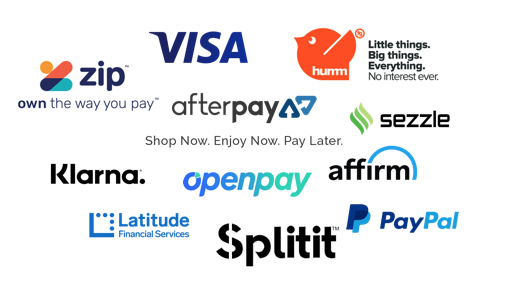
Affirm, Afterpay, Klarna, PayPal, and Zip are the industry leaders in the fast-growing loans. In September, Walmart’s retail giant got rid of its layaway program in favor of BNPL company Affirm.
It is essential for customers not to sign up with any company without fully understanding its terms and conditions. It also does not hurt to read some Buy Now Pay Later Reviews online or ask for information about different BNPL Company’s policies before getting a new product.
Buy Now Pay Later Layaway
This type of Buy Now Pay Later Program works very similarly to traditional layaway plans, except these companies usually offer more flexible repayment terms, and the minimum monthly payments are much higher.
Instead of paying for a purchase in one lump sum, customers can choose to pay off their debt over 12 to 24 months. The longer you take to repay your balance, the more interest you will end up having to pay.
It is essential for customers not to miss any monthly payments as this can lead to fees being charged, including 20% to 30% of the total amount due.
If you fail to make all your monthly payments on time, then most Buy Now Pay Later Companies will use a default fee which means they might repossess your product without refunding any payments you have already made towards that product.
BNPL Layaway Services usually offer a vast range of products, and you should not feel pressured into buying anything new until you have done your research and come up with a reasonable monthly payment plan. It would be a shame if someone had their amazing product repossessed for failing to make their payments on time! It is also vital that customers only borrow what they can afford to pay back.
Buy Now Pay Later and PayPal
This is another new form of layaway that is gaining popularity among shoppers. On your first purchase, you will typically receive a discount on the product or be given additional free items, which you can keep even if you fail to make your monthly payment.
The downside of this service is that many companies require you to open an account with PayPal (which costs money), and they also like to send email notifications every time you make a new purchase or receive money into your account. This can be unpleasant, especially when it comes to BNPL, where customers are encouraged not to spend more than they can afford.
Remember that these types of transactions are still considered high risk by most lending institutions, so if you end up defaulting on payments, PayPal may withhold funds or even close down your account.
It is not worth risking, so if you are ever in doubt, the best thing to do would be to call PayPal directly and ask about their specific Buy Now Pay Later Policy.
The Bottom Line
Buy Now Pay Later, or BNPL companies let customers receive their purchase before paying for it. However, unlike the no-interest-bearing installment layaway payments, BNPL can come with hefty interest charges and other fees.
Like more financial products that cater to the middle-class and below, their risks outweigh their benefits. Customers need to be aware of that fact before engaging with BNPL companies.

Pingback: Balancing Holiday Emotions & Money - FMC