
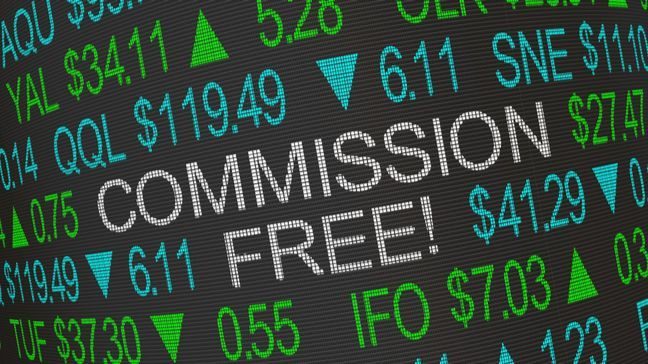
Be a Better Investor: Commission-Free Online Trading
By Article Posted by Staff Contributor
The estimated reading time for this post is 519 seconds
Online investing has evolved rapidly over the past few years with the emergence of commission-free trading platforms.
These platforms offer a new approach to investing that is both affordable and accessible, making it easier than ever before for retail investors to participate in the stock market.
This article will explore the benefits of commission-free online trading, provide an overview of the 15 best online brokers for free stock trading, and discuss alternative solutions and perspectives.
Benefits of Commission-Free Online Trading
Commission-free online trading offers several benefits that traditional brokerage firms cannot match. The most significant advantage is the elimination of commission fees, which can add up quickly, especially for active traders.
By eliminating commission fees, investors can save significant amounts of money, which they can use to invest more capital or diversify their portfolios.
Another benefit of commission-free online trading is the ease of use. Most of these platforms are user-friendly, and investors can access them from their computers or smartphones. This convenience allows investors to monitor their investments in real-time, make trades quickly, and take advantage of market opportunities as they arise.
Commission-free online trading also provides investors with a wide range of investment options. These platforms offer stocks, bonds, exchange-traded funds (ETFs), and other securities, allowing investors to diversify their portfolios across various asset classes.
15 Best Online Brokers for Free Stock Trading
Robinhood
Robinhood is one of the most well-known commission-free trading platforms, and it offers investors the ability to trade stocks, ETFs, options, and cryptocurrencies. On April 27, the company revealed new wallet features which will allow access from external crypto wallets.
Robinhood also offers a user-friendly mobile app that makes trading easy and convenient. One downside is that it has limited research tools compared to other brokers.
Pros:
- Zero commission fees
- User-friendly mobile app
- Access to cryptocurrencies
- No account minimums
Cons:
- Limited customer support options
- Limited investment options (stocks, ETFs, cryptocurrencies only)
- Controversies surrounding order flow payments
-
Webull
Webull is another popular commission-free trading platform that offers investors stocks, ETFs, options, and cryptocurrencies. It also provides a range of research tools, including real-time market data, news, and charts. However, it does not offer mutual funds or bonds.
Pros:
- Zero commission fees
- Wide range of investment options (stocks, ETFs, options, cryptocurrencies)
- Real-time market data
- User-friendly mobile app
Cons:
- Limited investment options (no mutual funds or bonds)
- No access to human advisors
- Customer support can be slow
E*TRADE
ETRADE is a well-established brokerage firm that has recently introduced commission-free trading.
It offers a wide range of investment options, including stocks, ETFs, mutual funds, bonds, and options.
ETRADE also provides extensive research tools and a user-friendly trading platform. One downside is that it has a high minimum deposit requirement.
Pros:
- Zero commission fees
- Wide range of investment options (stocks, ETFs, mutual funds, options)
- User-friendly mobile app
- Access to human advisors
Cons:
- Limited cryptocurrency options
- High minimum deposit requirement for some accounts
- Some research tools may be overwhelming for beginners
-
TD Ameritrade
TD Ameritrade is another established brokerage firm that now offers commission-free trading. It provides investors with access to stocks, ETFs, mutual funds, bonds, and options.
TD Ameritrade also offers advanced research tools, including in-depth market analysis, news, and commentary.
Pros:
- Zero commission fees
- Wide range of investment options (stocks, ETFs, mutual funds, options)
- Advanced research tools
- Access to human advisors
Cons:
- Limited cryptocurrency options
- High minimum deposit requirement for some accounts
- Some research tools may be overwhelming for beginners
-
Fidelity
Fidelity is a well-known investment firm that offers commission-free trading for stocks, ETFs, options, and mutual funds.
It also provides investors with extensive research tools, including market data, news, and analysis. One downside is that it has a high minimum deposit requirement.
Pros:
- Zero commission fees
- Wide range of investment options (stocks, ETFs, mutual funds, options)
- Comprehensive research tools
- Access to human advisors
Cons:
- Limited cryptocurrency options
- High minimum deposit requirement for some accounts
- Some advanced features may be overwhelming for beginners
-
Charles Schwab
Charles Schwab is another established brokerage firm that has introduced commission-free trading.
It offers a wide range of investment options, including stocks, ETFs, mutual funds, bonds, and options. Charles Schwab also provides investors with extensive research tools, including market data, news, and analysis.
Pros:
- Zero commission fees
- Wide range of investment options (stocks, ETFs, mutual funds, options)
- Robust research tools
- Access to human advisors
Cons:
- Limited cryptocurrency options
- High minimum deposit requirement for some accounts
- Some research tools may be overwhelming for beginners
-
Vanguard
Vanguard is an investment firm that offers commission-free trading for stocks, ETFs, and mutual funds. It also provides investors with extensive research tools, including market data, news, and analysis. One downside is that it has a high minimum deposit requirement.
Pros:
- Zero commission fees
- Wide range of investment options (stocks, ETFs, mutual funds)
- Low expense ratios for mutual funds
- Access to human advisors
Cons:
- Limited investment options (no options or cryptocurrencies)
- High minimum deposit requirement for some accounts
- Research tools may not be as extensive as some competitors
-
M1 Finance
M1 Finance is a commission-free trading platform that offers investors stocks, ETFs, and mutual funds.
It also provides investors with the ability to create customized portfolios and automated investment strategies. However, it does not offer options trading, and its mobile app is not as user-friendly as some of its competitors.
Pros:
- Zero commission fees
- Ability to build custom portfolios
- Automatic rebalancing
- Access to fractional shares
Cons:
- Limited investment options (no options or mutual funds)
- Mobile app is not as user-friendly as some competitors
- No access to human advisors
-
SoFi Invest
SoFi Invest is a commission-free trading platform that offers investors stocks, ETFs, and cryptocurrencies.
It also provides investors with access to automated investment strategies and a user-friendly mobile app. However, it does not offer options trading or mutual funds.
Pros:
- Zero commission fees
- Wide range of investment options (stocks, ETFs, cryptocurrencies)
- User-friendly mobile app
- Access to automated investment strategies
Cons:
- Limited investment options (no options or mutual funds)
- No access to human advisors
- Research tools may not be as extensive as some competitors
-
TradeStation
TradeStation is a commission-free trading platform that offers investors stocks, ETFs, options, and futures.
It also provides extensive research tools and a user-friendly trading platform. One downside is that it has a high minimum deposit requirement.
Pros:
- Zero commission fees
- Wide range of investment options (stocks, ETFs, options, futures)
- Extensive research tools
- User-friendly trading platform
Cons:
- High minimum deposit requirement for some accounts
- Limited cryptocurrency options
- Research tools may not be as beginner-friendly as some competitors
-
Ally Invest
Ally Invest is a commission-free trading platform that offers investors stocks, ETFs, options, and mutual funds.
It also provides investors with access to extensive research tools and a user-friendly trading platform. One downside is that it has limited cryptocurrency options.
Pros:
- Zero commission fees
- Wide range of investment options (stocks, ETFs, options, mutual funds)
- Extensive research tools
- User-friendly trading platform
Cons:
- Limited cryptocurrency options
- No access to human advisors
- Mobile app is not as robust as some competitors
-
Interactive Brokers
Interactive Brokers is a commission-free trading platform that offers investors stocks, ETFs, options, futures, and cryptocurrencies.
It also provides investors with access to advanced research tools and a user-friendly trading platform. One downside is that it has a high minimum deposit requirement.
Pros:
- Zero commission fees for certain ETFs
- Wide range of investment options (stocks, ETFs, options, futures, forex)
- Advanced research tools
- User-friendly trading platform
Cons:
- High minimum deposit requirement for some accounts
- No access to human advisors for smaller accounts
- Platform may be overwhelming for beginners
-
Firstrade
Firstrade is a commission-free trading platform that offers investors stocks, ETFs, options, and mutual funds.
It also provides extensive research tools and a user-friendly trading platform. One downside is that it does not offer futures or cryptocurrencies.
Pros:
- Zero commission fees
- Wide range of investment options (stocks, ETFs, options)
- User-friendly mobile app
- Access to human advisors
Cons:
- Limited cryptocurrency options
- Limited research tools
- Limited investment options compared to some competitors
-
Public
Public is a commission-free trading platform that offers investors stocks and ETFs. It also provides investors with a social community where they can discuss investments with other investors. One downside is that it does not offer options trading or mutual funds.
Pros:
- Zero commission fees
- Wide range of investment options (stocks, ETFs, cryptocurrencies)
- Social investing features
- User-friendly mobile app
Cons:
- Limited investment options compared to some competitors
- No access to human advisors
- Social investing features may not be suitable for all investors
Alternative Solutions and Perspectives
While commission-free trading platforms offer several benefits, they are not without their limitations. For example, these platforms may not provide investors with access to the same level of research and analysis as traditional brokerage firms.
Additionally, some investors may prefer to work with a human advisor who can provide personalized investment advice.
Another alternative solution is a robo-advisor, an online investment management service that uses algorithms to manage a portfolio.
Robo-advisors typically charge lower fees than traditional human advisors, and they provide investors with a diversified portfolio tailored to their risk tolerance and investment goals.
Conclusion
Commission-free online trading platforms have revolutionized the world of investing by making it more accessible and affordable for retail investors.
The 15 best online brokers for free stock trading offer a wide range of investment options, extensive research tools, and user-friendly trading platforms. However, investors should be aware of the limitations of commission-free trading platforms and consider alternative solutions, such as robo-advisors or working with a human advisor.
It’s important to note that while these brokers offer zero commission fees, they may charge other fees, such as margin interest or account transfer fees. It’s also important to consider factors such as the quality of customer service, user experience, and investment options when choosing a broker.
There are alternative solutions for free stock trading, such as using a robo-advisor or investing directly in individual stocks without a broker through dividend reinvestment plans (DRIPs) or direct stock purchase plans (DSPPs).
These options may have limitations and require more research and effort on the part of the investor, but they can provide a low-cost way to invest in the stock market.
Overall, the rise of commission-free online trading has democratized access to the stock market and provided investors with more options and flexibility. However, it’s important to carefully consider the pros and cons of each broker and make an informed decision based on individual investment goals and preferences.


RELATED ARTICLES
The S&P 7,000: How Wall Street Disconnects from Main Street
S&P 7,000 can rise while wages, benefits, and towns fall behind. See why the market isn’t the economy—read now.
Guaranteed Returns on Speculative Assets
The estimated reading time for this post is 264 seconds Bernie Madoff was supposed to be the last descendant of Charles Ponzi—or so I thought. I wasn’t wrong to think that, because Bernie’s Ponzi scheme was so expansive, so spread...
Leave Comment
Cancel reply
Gig Economy
Business / Aug 08, 2026
The Missing Middle in Black Entrepreneurship
Black entrepreneurship has expanded dramatically. The next challenge is helping more Black-owned businesses move from self-employment to employer firms and sustainable scale.
By FMC Editorial Team
Personal Finance / Aug 01, 2026
Cash Strategy: Put Every Dollar in the Right Place
Your checking account, emergency fund, short-term savings, and investments should not be managed the same way. This cash strategy helps assign every dollar to the right...
By Article Posted by Staff Contributor
Personal Finance / Aug 01, 2026
Best HYSA: How to Choose Beyond the Highest APY
A competitive interest rate matters, but it is only one part of choosing a high-yield savings account. Compare insurance, fees, access, transfer speed, and promotional conditions.
By Article Posted by Staff Contributor
Personal Finance / Aug 01, 2026
High-Yield Savings vs. CDs, Treasury Bills, and Other Safe Places for Cash
High-yield savings accounts are excellent for accessible cash, but they are not always the best choice. Compare HYSAs, CDs, Treasury bills, money market accounts, and I...
By Article Posted by Staff Contributor
American Middle Class / Aug 01, 2026
High-Yield Savings Accounts: A Safer Home for Your Cash
A high-yield savings account can pay several times the national savings rate while keeping qualified deposits federally insured. Here is how it works, what to watch...
By Article Posted by Staff Contributor
Real Estate / Jul 30, 2026
Mortgage Lock-In Is Freezing the Housing Market
Millions are trapped by 3% mortgages. Learn how mortgage lock-in worsens affordability—and why homeowners are renovating instead.
By FMC Editorial Team
Real Estate / Jul 26, 2026
Is South Florida More Expensive Than New York? The Complete 2026 Relocation Guide
Is South Florida more expensive than New York? Compare housing, taxes, insurance and 104 municipalities before you move.
By Article Posted by Staff Contributor
Personal Finance / Jul 25, 2026
The Time Value of Life Experiences: What Compound Interest Leaves Out,
Money compounds, but life experiences do too. Explore what compound interest leaves out—and how to balance saving with living.
By MacKenzy Pierre
American Middle Class / Feb 18, 2026
How Wealth Is Passed Across Generations in the United States: Mechanisms, Evidence, and the Policy Debate
How wealth passes between generations—trusts, taxes, and the debate. Get the facts, figures, and tradeoffs. Read now.
By FMC Editorial Team
American Middle Class / Feb 16, 2026
The S&P 7,000: How Wall Street Disconnects from Main Street
S&P 7,000 can rise while wages, benefits, and towns fall behind. See why the market isn’t the economy—read now.
By MacKenzy Pierre
Latest Reviews
Business / Aug 08, 2026
The Missing Middle in Black Entrepreneurship
Black entrepreneurship has expanded dramatically. The next challenge is helping more Black-owned businesses move from...
Personal Finance / Aug 01, 2026
Cash Strategy: Put Every Dollar in the Right Place
Your checking account, emergency fund, short-term savings, and investments should not be managed the same...
Personal Finance / Aug 01, 2026
Best HYSA: How to Choose Beyond the Highest APY
A competitive interest rate matters, but it is only one part of choosing a high-yield...