
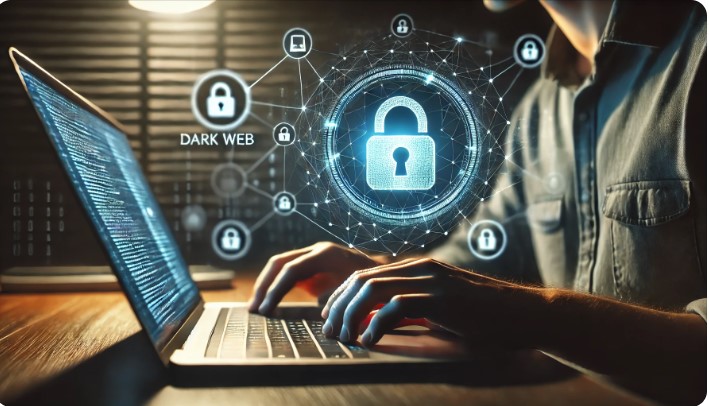
Dark Web Monitor Alert: Are You Safe from Identity Theft?
By Article Posted by Staff Contributor
The estimated reading time for this post is 411 seconds
In today’s digital world, security is no longer an option—it’s a necessity. As data breaches become more common, credit card companies are responding with enhanced services to protect their customers. One such feature is Dark Web Monitoring, a tool designed to keep an eye on illegal internet sites where stolen personal information might be traded or sold. But what exactly is Dark Web Monitoring, and how can it help protect you from identity theft? In this article, we’ll break down the essentials and guide you on how to stay safe online.
What is Dark Web Monitoring?
Dark Web Monitoring is a service offered by many credit card companies to keep track of your personal information across the darkest corners of the internet. These companies monitor dark web forums, marketplaces, and websites for sensitive data like Social Security numbers, credit card details, and even passwords. If they find a match to your personal information, they alert you immediately so you can take appropriate action.
Credit card companies partner with specialized cybersecurity firms to scan the Dark Web for this information. If any of your data appears on these illegal platforms, you’ll receive a notification with steps to safeguard your identity and financial assets.
Some leading credit card companies, such as American Express and Discover, include Dark Web Monitoring as part of their suite of security features for customers, aiming to provide additional peace of mind in an increasingly vulnerable online world.
How Does the Dark Web Operate?
The Dark Web is a part of the internet that’s not indexed by traditional search engines like Google or Bing. It requires specialized software, such as Tor, to access. While some parts of the Dark Web are used for legitimate purposes, such as privacy protection and political activism, it is also a hotbed for illegal activities, including the sale of stolen credit card information, hacked accounts, and personal identities.
Cybercriminals often exploit data breaches, stealing and selling personal data on these hidden platforms. Transactions on the Dark Web are typically conducted using cryptocurrencies, which makes them difficult to trace. For most people, accessing the Dark Web isn’t something they’ll encounter, but the threat it poses remains very real.
Does Dark Web Monitoring Mean You Are Safe?
A common misconception is that if your data shows up in a Dark Web Monitor alert, you’re automatically a victim of identity theft. This is not necessarily the case. Your data may appear on the Dark Web due to old breaches or compromises where your information was sold but never actively used. However, it’s a warning sign that your personal details are out there and potentially vulnerable.
After receiving a Dark Web Monitor alert, it’s crucial to stay proactive. While the service provides a valuable heads-up, it doesn’t stop cybercriminals from using or selling your information. It’s up to you to act swiftly and take the necessary steps to protect yourself.
What to Do If You Receive a Dark Web Monitor Alert
If you’re notified that your personal data has been found on the Dark Web, don’t panic—but don’t ignore it either. Here’s what you should do:
- Check for Unauthorized Transactions: Immediately review your bank accounts, credit card statements, and any other financial accounts for any suspicious activity. Even if you don’t see anything unusual, continue to monitor these accounts closely in the following weeks.
- Change Your Passwords: If your passwords were involved in the breach, update them for all affected accounts. Make sure to use strong, unique passwords that combine upper and lowercase letters, numbers, and symbols.
- Enable Two-Factor Authentication (2FA): Where possible, enable two-factor authentication for your accounts. This adds an extra layer of security, requiring not just your password but also a verification code sent to your phone or email.
- Consider a Credit Freeze: You may want to place a credit freeze or fraud alert on your credit reports. This prevents new accounts from being opened in your name, making it harder for identity thieves to use your information.
- Identity Theft Protection Services: If you feel overwhelmed or at risk, consider enrolling in an identity theft protection service, which can help monitor your accounts and assist with recovery in case of fraud.
Limitations of Dark Web Monitoring
While Dark Web Monitoring can alert you when your information has been compromised, it’s not a bulletproof solution. There are limitations you need to be aware of:
- Limited Coverage: Dark Web Monitoring can only scan the areas of the Dark Web that are visible or accessible. Some illegal marketplaces or forums may operate out of reach, meaning not all personal information leaks will be detected.
- No Prevention: Dark Web Monitoring is reactive, not preventive. It alerts you after your data has already been compromised or traded, rather than stopping breaches from happening in the first place.
- Incomplete Monitoring: Some personal data, like social media accounts or personal emails, may not be included in the monitoring process. This means other types of information could still be at risk, even if your credit card company is watching the Dark Web.
The Role of Credit Card Companies
Many credit card companies are using Dark Web Monitoring as a way to enhance their security features and provide added value to customers. They partner with cybersecurity firms and other third-party services to monitor vast areas of the Dark Web for compromised data.
For example, companies like Discover offer Dark Web Monitoring as a free feature for all cardholders, while others, like American Express, include it in higher-tier benefits. These services often scan for Social Security numbers, driver’s licenses, credit card numbers, and other personal details that could be used for fraudulent activities.
Before relying entirely on your credit card’s Dark Web Monitoring, check to see what is included in the service. Some credit card companies offer broader protection than others, so you may want to compare options based on your security needs.
Are There Alternatives to Credit Card Company Monitoring?
In addition to the services provided by credit card companies, third-party cybersecurity firms also offer Dark Web Monitoring. Companies like Experian, LifeLock, and Norton provide standalone Dark Web monitoring services, often alongside more comprehensive identity theft protection packages.
While third-party services often come at a higher cost than credit card-provided monitoring, they tend to offer more in-depth protection. They typically monitor a wider array of personal data and offer support if your identity is stolen. For those who want more comprehensive security, these services might be worth considering.
Preventive Steps to Stay Safe from Dark Web Exposure
While Dark Web Monitoring is a valuable tool, it’s not your first line of defense. Here are some preventive measures to keep your personal data safe from ever landing on the Dark Web:
- Use Strong Passwords: Always use complex passwords and change them regularly. Password managers can help you generate and store strong, unique passwords.
- Avoid Sharing Personal Data Online: Be cautious when sharing personal details online. The less data you expose, the lower your chances of being caught in a breach.
- Use VPNs for Online Activity: VPNs (Virtual Private Networks) add an extra layer of security when you browse the internet, making it harder for hackers to access your data.
- Monitor Your Credit Regularly: Stay on top of your credit reports and keep an eye out for any suspicious activity. Free tools like annualcreditreport.com allow you to check your reports from all three major bureaus once a year.
Conclusion
Dark Web Monitoring is an essential tool in today’s digital age, but it’s important to understand its limits. While it can notify you if your personal information is being sold or traded, it doesn’t offer complete protection. Staying proactive, taking preventative steps, and knowing how to respond to an alert are all crucial components of staying safe.
Call to Action
Now is the time to review your credit card benefits to see if Dark Web Monitoring is included. If not, consider exploring other options to protect your data. The sooner you take action, the better equipped you’ll be to safeguard your identity in today’s online world.


RELATED ARTICLES
Why Paying Off Debt Can Lower Your Credit Score—and Why That Isn’t Always Bad
Paying off a loan or closing a credit card can sometimes lower your credit score. Learn how zero-balance accounts, credit utilization, and installment loans affect your FICO score—and why financial progress matters more than maximizing every point.
The Problem With “Good Debt”
Mortgages, student loans, and business financing are often called good debt. But borrowing for the right reasons doesn't guarantee financial success. Explore how interest, hidden fees, limited savings, and unequal homeownership opportunities can turn supposedly good debt into a lasting...
Leave Comment
Cancel reply
Gig Economy
American Middle Class / Oct 23, 2026
Why Paying Off Debt Can Lower Your Credit Score—and Why That Isn’t Always Bad
Paying off a loan or closing a credit card can sometimes lower your credit score. Learn how zero-balance accounts, credit utilization, and installment loans affect your...
By Article Posted by Staff Contributor
American Middle Class / Oct 22, 2026
The Problem With “Good Debt”
Mortgages, student loans, and business financing are often called good debt. But borrowing for the right reasons doesn't guarantee financial success. Explore how interest, hidden fees,...
By MacKenzy Pierre
American Middle Class / Oct 16, 2026
The American Middle Class’s Guide to the 2026 Midterm Ballot Measures
The 2026 midterm elections will put major housing and tax proposals before American voters. From Florida's homestead exemptions to Massachusetts zoning reform and California's affordable housing...
By Article Posted by Staff Contributor
Personal Finance / Oct 14, 2026
FICO Finally Has Competition. Will Homebuyers Get a Better Deal?
For decades, FICO dominated mortgage credit scoring. Now VantageScore 4.0 is challenging that dominance. Discover how new rules from federal housing regulators could affect mortgage approvals,...
By Article Posted by Staff Contributor
American Middle Class / Oct 13, 2026
Selling Affordability Through Installments
Americans are increasingly buying based on what they can afford each month rather than what something actually costs. From buy now, pay later services to longer...
By Article Posted by Staff Contributor
American Middle Class / Oct 12, 2026
Fair Capitalism: We Don’t Need to Abolish Capitalism. We Need to Fix It.
Fair capitalism means preserving entrepreneurship and profits while ensuring working Americans share more meaningfully in the prosperity they help create.
By MacKenzy Pierre
American Middle Class / Oct 12, 2026
The Sunday Scaries: How Financial Independence Can Help You Reclaim Your Weekend
The Sunday Scaries can begin long before Monday morning. Building emergency savings, lowering monthly expenses, and increasing financial independence may help you reclaim your weekend.
By Article Posted by Staff Contributor
Business / Aug 08, 2026
The Missing Middle in Black Entrepreneurship
Black entrepreneurship has expanded dramatically. The next challenge is helping more Black-owned businesses move from self-employment to employer firms and sustainable scale.
By FMC Editorial Team
Personal Finance / Aug 01, 2026
Cash Strategy: Put Every Dollar in the Right Place
Your checking account, emergency fund, short-term savings, and investments should not be managed the same way. This cash strategy helps assign every dollar to the right...
By Article Posted by Staff Contributor
Personal Finance / Aug 01, 2026
Best HYSA: How to Choose Beyond the Highest APY
A competitive interest rate matters, but it is only one part of choosing a high-yield savings account. Compare insurance, fees, access, transfer speed, and promotional conditions.
By Article Posted by Staff Contributor
Latest Reviews
American Middle Class / Oct 23, 2026
Why Paying Off Debt Can Lower Your Credit Score—and Why That Isn’t Always Bad
Paying off a loan or closing a credit card can sometimes lower your credit score....
American Middle Class / Oct 22, 2026
The Problem With “Good Debt”
Mortgages, student loans, and business financing are often called good debt. But borrowing for the...
American Middle Class / Oct 16, 2026
The American Middle Class’s Guide to the 2026 Midterm Ballot Measures
The 2026 midterm elections will put major housing and tax proposals before American voters. From...