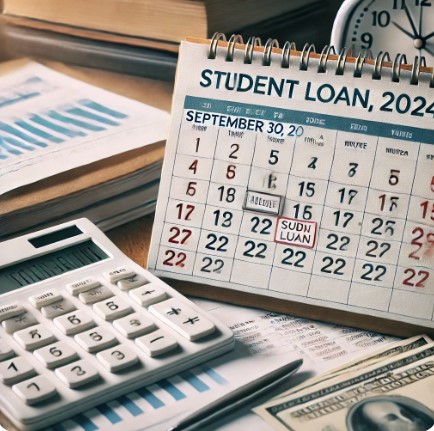
As the deadline approaches on September 30, 2024, millions of student loan borrowers face a significant financial shift: the end of the Student Loan On-Ramp and Default Protection programs. These programs, introduced during the COVID-19 pandemic, temporarily paused payments, halted collections, and protected credit scores.
With these protections expiring, borrowers will be thrust into a dramatically altered financial situation that could have lasting effects on credit reports, loan forgiveness eligibility, and overall financial health.
While the situation may seem daunting, the key to navigating this change lies in being proactive. In this article, we’ll explore the implications of the end of these protections and offer practical advice to help borrowers transition smoothly.
Understanding the Student Loan On-Ramp and Default Protection
The Student Loan On-Ramp program and Default Protection were introduced in March 2020 as part of the federal government’s response to the economic crisis sparked by the pandemic. For nearly three years, these protections shielded borrowers from accruing interest, missing payments, and facing default penalties.
Over 43 million borrowers, holding over $1.6 trillion in federal student loan debt, benefited from the program, especially low- to middle-income borrowers who found it difficult to manage payments during normal times.
Once these protections expire, borrowers will once again face the risks of delinquency, interest accrual, and default. A missed payment could damage a credit score, while repeated delinquencies could trigger collections, including wage garnishment and tax refund seizures.
Impact on Credit Reports and Borrower Credit Scores
Your credit score is a critical indicator of financial health, influencing everything from loan approvals to credit card interest rates and housing applications.
With the expiration of the payment pause, missed payments will be reported to credit bureaus, and the consequences for those who default could be even more severe.
- Credit Report Consequences: Missing payments after the on-ramp ends could result in a significant drop in credit scores, potentially ranging from 100 to 150 points. Defaults remain on credit reports for up to seven years, limiting access to new credit, mortgages, and even certain job opportunities.
- Default Risks: Before the pandemic, 11% of federal loan borrowers were in default. Without protections, millions more could fall into default, subjecting them to aggressive debt collection measures.
How to Protect Your Credit
- Set Up Automatic Payments: Many loan servicers offer discounts for automatic payments, helping you avoid missed payments.
- Review Your Credit Regularly: Check your credit report through tools like AnnualCreditReport.com to ensure your student loan status is accurately reported.
- Contact Your Loan Servicer: If you’re at risk of missing payments, reach out to your loan servicer to explore income-driven repayment (IDR) plans or temporary forbearance.
Navigating Loan Forgiveness and Repayment Options
The end of the on-ramp also affects borrowers’ eligibility for federal loan forgiveness programs such as Public Service Loan Forgiveness (PSLF) and income-driven repayment (IDR) forgiveness.
The Biden administration’s efforts to provide broader loan forgiveness remain politically and legally fraught, leaving many borrowers uncertain about their path forward.
- Public Service Loan Forgiveness (PSLF): Borrowers working in qualifying public service jobs must make 120 payments to be eligible for forgiveness under PSLF. Payments missed after the on-ramp ends will not count toward forgiveness.
- Income-Driven Repayment Plans: For borrowers on IDR plans, payments are capped at a percentage of income, and any remaining balance is forgiven after 20-25 years of qualifying payments. However, missing payments could delay the forgiveness timeline.
- Biden’s Forgiveness Plan: Despite promises of forgiveness for up to $20,000 for Pell Grant recipients, widespread forgiveness remains in political limbo.
Actionable Steps
- Reevaluate Your Repayment Plan: Assess whether IDR or PSLF is the right fit, and switch plans if necessary.
- Consolidate Your Loans: Consolidating multiple loans can simplify payments and prevent missed deadlines.
Financial Strategies for Borrowers: Preparing for the Transition
The return of student loan payments is part of a broader economic shift, with rising interest rates and inflation further complicating household budgets. Borrowers can take steps now to protect their financial well-being:
- Create a Budget: Budgeting is key to fitting loan payments into your overall financial plan. Use budgeting apps to track expenses and allocate funds for your loans.
- Consider Refinancing: While federal loans offer more protections, borrowers with strong credit may find refinancing through a private lender advantageous for securing a lower interest rate. Keep in mind that refinancing federal loans eliminates access to federal protections such as PSLF and IDR.
- Engage with Loan Servicers: Proactively communicating with your loan servicer can prevent loans from slipping into delinquency or default. Explore deferment, forbearance, or alternative repayment options if necessary.
The Importance of Staying Informed and Proactive
The student loan landscape is evolving, and staying informed about policy changes and repayment options is essential for borrowers.
- Sign Up for Alerts: Ensure that you’re receiving timely updates from your loan servicer regarding any changes to your repayment terms or loan status.
- Consult Trusted Sources: Regularly check government websites like the Department of Education, or seek out financial advisors specializing in student debt management.
Final Thoughts: Taking Control of Your Financial Future
The end of the Student Loan On-Ramp and Default Protection programs marks a critical turning point for millions of borrowers. While the resumption of payments may feel overwhelming, staying proactive, informed, and strategic will help you navigate this transition smoothly.
By protecting your credit, exploring repayment and forgiveness options, and aligning your student loan payments with your broader financial goals, you can minimize the potential impact on your financial future.
Remember, student loans are just one piece of your overall financial picture. By focusing on long-term financial health—through budgeting, credit management, and planning—you can weather this change with confidence and set yourself up for future success.