Services Middle-Class Americans Can’t Afford by 2030
By MacKenzy Pierre
The estimated reading time for this post is 420 seconds
These are Services that Middle-Class Americans Won’t Be Able to Afford by 2030 Due to Inflation and Price Gouging
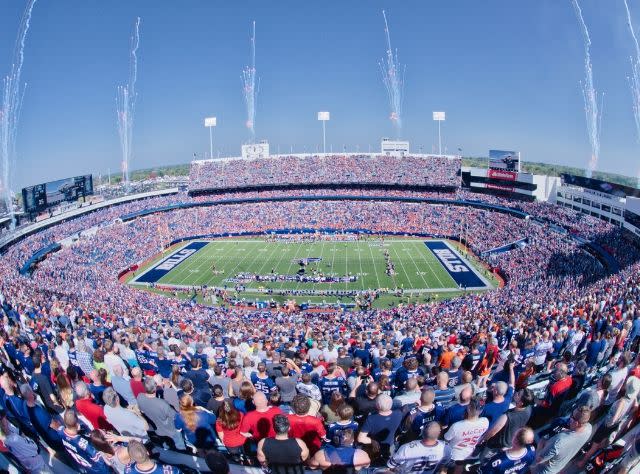
Taking your kids to a sporting event used to be an affordable weekend pastime for families. Seeing your favorite band whenever they were in town didn’t break the bank. But those days are quickly fading. Now, families have to plan and save for months just to partake in what were once middle-class activities.
The reality is that, due to price gouging and inflation, by 2030, even these simple pleasures may be out of reach for the average American family. The question isn’t just about whether you’ll be able to afford to go to a ballgame or a concert—it’s about the broader economic landscape that’s making everyday life increasingly unaffordable for the middle class.
Understanding Inflation and Price Gouging
Inflation isn’t just an abstract concept economists throw around. It’s the slow, steady erosion of your purchasing power. It’s why the same groceries cost more each year and why filling up your gas tank feels more painful every time you visit the pump. Inflation impacts everything from the price of milk to the cost of housing, and it’s driven by a variety of factors—rising production costs, supply chain disruptions, and, yes, even corporate greed.
Price gouging, on the other hand, is more insidious. It’s when companies take advantage of economic conditions to hike prices far beyond what’s justified by increased costs. While inflation might be inevitable to some degree, price gouging is a deliberate choice. It’s why the cost of an EpiPen skyrocketed, and some companies raise prices under the guise of inflation even when their costs haven’t increased proportionately.
These economic forces are already making life more expensive for middle-class Americans, but the future looks even bleaker. By 2030, the combined impact of inflation and price gouging could put essential services and basic leisure activities out of reach for many.
Essential Services Becoming Unaffordable
Healthcare has always been expensive in the United States, but inflation and price gouging are pushing it into the realm of the unaffordable. The cost of medical services continues to rise, and pharmaceutical companies are notorious for price gouging. It’s not just about the outrageous price of insulin or life-saving drugs; it’s the routine medical visits, the diagnostic tests, and the prescription refills that all add up. By 2030, even with insurance, many middle-class families could find themselves avoiding the doctor because the out-of-pocket costs are just too high.
Education, once the great equalizer, is fast becoming another privilege of the wealthy. College tuition has been rising steadily for decades, outpacing inflation by a wide margin. Student loans, meant to make higher education accessible, have become a millstone around the necks of graduates. If the current trends continue, by 2030, higher education might be something only the wealthy can afford without crippling debt. The American Dream of getting ahead through education could become just that—a dream.
Housing has always been one of the biggest expenses for any family, and it’s only getting worse. Homeownership, once a cornerstone of middle-class life, is slipping out of reach as real estate prices soar. Even renting is becoming a challenge, with landlords raising rents to keep pace with rising property values and maintenance costs. By 2030, many middle-class families might find themselves priced out of the neighborhoods they’ve called home for years.
Transportation, too, is becoming a luxury rather than a necessity. The cost of owning a vehicle—between rising car prices, insurance, maintenance, and gas—could become prohibitive for many. Public transportation, often seen as the cheaper alternative, isn’t immune either. Cities facing budget shortfalls might raise fares, reduce services, or both, making even a simple commute more expensive and less reliable.
Childcare and elder care are already significant expenses, and they’re only going to get worse. As the costs of living rise, so too do the costs of paying for someone else to look after your children or your aging parents. By 2030, many families could find themselves in a bind, unable to afford the care they need for their loved ones while also struggling to make ends meet.
But it’s not just the essential services that are becoming unaffordable—it’s the simple joys that make life worth living.
Recreation and Entertainment
Taking your kids to a ballgame or a concert used to be a common, affordable way to spend a Saturday. But those days are slipping away. The cost of attending live sports events is rising fast. Ticket prices, concessions, parking—it all adds up. What used to be a regular outing is now a rare treat. By 2030, it might be something you can only do once in a while, after months of saving.
The same goes for concerts and live performances. Seeing your favorite band live was once a relatively cheap thrill. But with ticket prices climbing due to demand and the added costs of staging large events, attending a concert is becoming a luxury. And it’s not just the big-name acts. Even smaller, local performances are seeing price hikes, driven by rising venue costs and a shrinking pool of disposable income among potential attendees.
Family vacations, too, are becoming less about relaxation and more about financial stress. The rising costs of travel, accommodations, and even simple activities mean that many families are scaling back their vacation plans—or skipping them altogether. By 2030, a week at the beach or a trip to a theme park could be out of reach for many middle-class families, turning what used to be a staple of summer into a rare, budgeted-for event.
The Broader Economic Impact
As these costs continue to rise, the impact on the middle class will be profound. The widening wealth gap will only grow larger as those who can afford to keep up with rising prices do so, while those who can’t fall further behind. The American middle class, long the backbone of the economy, will see its quality of life eroded as more of its income is devoted to basic survival rather than enjoying the fruits of its labor.
This decline in quality of life won’t just be felt on an individual level—it will have broader social and political consequences. As more people struggle to make ends meet, social unrest could grow. People will demand answers and solutions from their leaders, but if those solutions don’t materialize, the political landscape could become more volatile. The discontent of a squeezed middle class has historically been a powerful force, and 2030 could see this discontent reach a boiling point.
Potential Solutions and Mitigation Strategies
There are potential solutions to this looming crisis, but they will require coordinated action at multiple levels. Government intervention could play a crucial role. Policies aimed at curbing price gouging, regulating essential services, and ensuring that wages keep pace with inflation could help ease the burden on middle-class families.
Community and grassroots movements could also be a force for change. As more people feel the pinch, there will likely be an increase in collective action—people coming together to demand fair pricing, better wages, and more affordable services. These movements have the potential to push for real change, but they will need to be well-organized and sustained.
On a personal level, financial planning and awareness will be key. Families will need to become more strategic in their spending, saving for the activities and services that matter most to them. While this won’t solve the broader issues, it could help individuals and families navigate the economic challenges of the coming years.
Conclusion
The future for middle-class Americans is looking increasingly uncertain. By 2030, essential services like healthcare, education, and housing, as well as the simple pleasures of recreation and entertainment, could be out of reach for many. The combined effects of inflation and price gouging are eroding the purchasing power of the middle class, widening the wealth gap, and threatening the quality of life that has long been the hallmark of American society.
But this future isn’t set in stone. By becoming informed, proactive, and engaged, middle-class Americans can push for the changes needed to preserve their way of life. The road ahead may be difficult, but with awareness and action, it’s possible to keep the American Dream alive for future generations.

Senior Accounting & Finance Professional|Lifehacker|Amateur Oenophile
RELATED ARTICLES
The American Middle Class’s Guide to the 2026 Midterm Ballot Measures
The 2026 midterm elections will put major housing and tax proposals before American voters. From Florida's homestead exemptions to Massachusetts zoning reform and California's affordable housing initiatives, explore the potential effects on homeowners, renters, first-time buyers, and middle-class finances.
Selling Affordability Through Installments
Americans are increasingly buying based on what they can afford each month rather than what something actually costs. From buy now, pay later services to longer auto loans and installment financing, businesses are making expensive purchases appear more manageable by...
Leave Comment
Cancel reply
Gig Economy
American Middle Class / Oct 16, 2026
The American Middle Class’s Guide to the 2026 Midterm Ballot Measures
The 2026 midterm elections will put major housing and tax proposals before American voters. From Florida's homestead exemptions to Massachusetts zoning reform and California's affordable housing...
By Article Posted by Staff Contributor
Personal Finance / Oct 14, 2026
FICO Finally Has Competition. Will Homebuyers Get a Better Deal?
For decades, FICO dominated mortgage credit scoring. Now VantageScore 4.0 is challenging that dominance. Discover how new rules from federal housing regulators could affect mortgage approvals,...
By Article Posted by Staff Contributor
American Middle Class / Oct 13, 2026
Selling Affordability Through Installments
Americans are increasingly buying based on what they can afford each month rather than what something actually costs. From buy now, pay later services to longer...
By Article Posted by Staff Contributor
American Middle Class / Oct 12, 2026
Fair Capitalism: We Don’t Need to Abolish Capitalism. We Need to Fix It.
Fair capitalism means preserving entrepreneurship and profits while ensuring working Americans share more meaningfully in the prosperity they help create.
By MacKenzy Pierre
American Middle Class / Oct 12, 2026
The Sunday Scaries: How Financial Independence Can Help You Reclaim Your Weekend
The Sunday Scaries can begin long before Monday morning. Building emergency savings, lowering monthly expenses, and increasing financial independence may help you reclaim your weekend.
By Article Posted by Staff Contributor
Business / Aug 08, 2026
The Missing Middle in Black Entrepreneurship
Black entrepreneurship has expanded dramatically. The next challenge is helping more Black-owned businesses move from self-employment to employer firms and sustainable scale.
By FMC Editorial Team
Personal Finance / Aug 01, 2026
Cash Strategy: Put Every Dollar in the Right Place
Your checking account, emergency fund, short-term savings, and investments should not be managed the same way. This cash strategy helps assign every dollar to the right...
By Article Posted by Staff Contributor
Personal Finance / Aug 01, 2026
Best HYSA: How to Choose Beyond the Highest APY
A competitive interest rate matters, but it is only one part of choosing a high-yield savings account. Compare insurance, fees, access, transfer speed, and promotional conditions.
By Article Posted by Staff Contributor
Personal Finance / Aug 01, 2026
High-Yield Savings vs. CDs, Treasury Bills, and Other Safe Places for Cash
High-yield savings accounts are excellent for accessible cash, but they are not always the best choice. Compare HYSAs, CDs, Treasury bills, money market accounts, and I...
By Article Posted by Staff Contributor
American Middle Class / Aug 01, 2026
High-Yield Savings Accounts: A Safer Home for Your Cash
A high-yield savings account can pay several times the national savings rate while keeping qualified deposits federally insured. Here is how it works, what to watch...
By Article Posted by Staff Contributor
Latest Reviews
American Middle Class / Oct 16, 2026
The American Middle Class’s Guide to the 2026 Midterm Ballot Measures
The 2026 midterm elections will put major housing and tax proposals before American voters. From...
Personal Finance / Oct 14, 2026
FICO Finally Has Competition. Will Homebuyers Get a Better Deal?
For decades, FICO dominated mortgage credit scoring. Now VantageScore 4.0 is challenging that dominance. Discover...
American Middle Class / Oct 13, 2026
Selling Affordability Through Installments
Americans are increasingly buying based on what they can afford each month rather than what...