Creating an Emergency Fund: Why Everyone Needs One and How to Build It Quickly
By Article Posted by Staff Contributor
The estimated reading time for this post is 331 seconds
Introduction: The Safety Net You Can’t Afford to Ignore
Life is full of unexpected events—whether it’s a surprise medical bill, a sudden car breakdown, or a job loss. These curveballs often bring financial stress, especially if you’re unprepared. That’s where an emergency fund steps in. Think of it as your financial safety net, ready to catch you when life throws a curveball. Building one may seem daunting, but with a clear goal and simple steps, you can create the financial cushion that everyone deserves.
What Is an Emergency Fund?
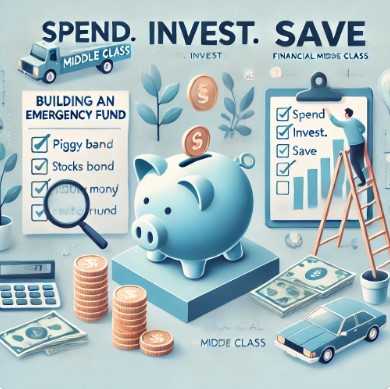
An emergency fund is a specific amount of money set aside for life’s unforeseen expenses. It’s not for vacations, shopping splurges, or that “once-in-a-lifetime” sale. This fund is strictly for emergencies. Financial advisors generally recommend saving enough to cover three to six months of living expenses. But if that feels overwhelming, remember: the key is to start small and set a goal you can realistically achieve.
Why You Need an Emergency Fund
According to a report from Bankrate, nearly 4 in 10 Americans would struggle to handle a $400 unexpected expense without going into debt. This isn’t just about being able to pay for a car repair or a medical bill—having an emergency fund can help you avoid high-interest loans, credit card debt, or even dipping into your retirement savings. In short, an emergency fund provides peace of mind. Here are three essential reasons why everyone should build one:
- Financial Independence: An emergency fund acts as a buffer, allowing you to handle unexpected expenses without relying on credit or loans. This fund keeps you in control and helps you avoid predatory lenders.
- Stress Reduction: Financial emergencies are one of the biggest sources of stress. Having an emergency fund significantly reduces the anxiety that comes with uncertainty, giving you confidence to navigate unexpected situations.
- Better Financial Decisions: With an emergency fund, you’re not scrambling to cover sudden costs. This stability allows you to focus on long-term financial goals, like investing, saving for retirement, or pursuing new career opportunities without the fear of financial setbacks.
How Much Should You Save in Your Emergency Fund?
The “three-to-six months” rule is a good start, but let’s break it down a bit. The amount you need depends on your lifestyle, monthly expenses, and personal risk factors.
- For Single-Income Families: If you’re the sole breadwinner or have dependents, consider a larger emergency fund—at least six months’ worth of essential expenses, if possible.
- For Dual-Income Households: If you have a second household income, you might lean closer to three or four months of expenses, as there’s less reliance on one paycheck.
- If You’re Just Starting: Set an initial goal of $1,000. It’s a manageable target that still provides a cushion for common emergencies like a flat tire or a minor medical bill.
Steps to Build Your Emergency Fund Quickly
- Start Small and Automate: Begin with a modest goal—$500 or $1,000—and set up automatic transfers from your checking account to a separate savings account after every payday. Automation removes the temptation to skip contributions, making savings a no-brainer.
- Cut Non-Essential Spending: Identify non-essential expenses like dining out, subscriptions, or impulse purchases. Channel those savings into your emergency fund. You’d be amazed at how quickly small sacrifices can add up.
- Put Windfalls to Work: Got a work bonus, tax refund, or birthday money? Resist the urge to splurge and add it directly to your emergency fund. Unexpected income sources are perfect for boosting savings without affecting your monthly budget.
- Take Up a Side Hustle: For those committed to building a fund quickly, side hustles offer flexibility and can fast-track savings. Whether it’s freelancing, delivering groceries, or selling unused items online, these extra earnings can go a long way.
- Zero-Based Budgeting: Zero-based budgeting is an excellent companion for this journey. Assign every dollar to a category, including your emergency fund. This approach helps you avoid “miscellaneous” spending, making it easier to meet your savings goals.
Where Should You Keep Your Emergency Fund?
Where you stash your emergency fund matters—it should be accessible but not tempting to dip into for non-emergencies. Here are some options:
- High-Yield Savings Account: A high-yield savings account is ideal. It earns interest while keeping funds accessible. Look for accounts with competitive interest rates and no monthly fees.
- Money Market Account: These accounts often offer higher interest rates than traditional savings accounts. They may have withdrawal limits, so they’re best for those looking for growth potential without sacrificing too much liquidity.
- Separate Cash Savings Account: Starting with a regular savings account can be enough to begin. Just ensure it’s separate from your everyday checking account, so you’re not tempted to spend it impulsively.
Common Mistakes to Avoid
Building an emergency fund is simple, but there are some common pitfalls:
- Not Prioritizing Savings: Make your emergency fund a top priority. Don’t put it off—emergencies won’t wait, and neither should you.
- Dipping into Your Fund for Non-Essentials: Remember, this isn’t a backup vacation fund. Stay disciplined and save it for actual emergencies.
- Keeping All Your Savings in Cash: While cash is great for accessibility, you miss out on potential growth. A high-yield savings account strikes a good balance between accessibility and earning potential.
Here’s How You Get Started with Building an Emergency Fund:
- Set a Specific Goal: Start with a clear target, like $1,000 or three months of expenses, to stay motivated.
- Open a Dedicated Savings Account: Keeping it separate reduces the chance of accidentally spending your emergency funds.
- Automate Your Savings: Schedule automatic transfers to your emergency fund after every payday to build consistency.
- Cut One Expense: Identify one non-essential expense to cut each month and put that money directly into your emergency fund. Small sacrifices now lead to significant rewards later.
- Commit to a Time Frame: If your goal is $1,000, commit to reaching it within six months. Break it down into manageable weekly or bi-weekly goals.
The Bottom Line: Build Your Financial Safety Net
An emergency fund isn’t just a good idea—it’s essential. It’s your shield against financial disasters and a crucial step toward financial security. Building one quickly requires discipline, focus, and a willingness to make temporary sacrifices for long-term peace of mind.
Don’t let the idea of saving for months intimidate you. Start small, set specific goals, and keep up the effort consistently. Your future self will thank you. So, are you ready to create your emergency fund and take back control of your financial future? The time to start is now.

RELATED ARTICLES
Why Paying Off Debt Can Lower Your Credit Score—and Why That Isn’t Always Bad
Paying off a loan or closing a credit card can sometimes lower your credit score. Learn how zero-balance accounts, credit utilization, and installment loans affect your FICO score—and why financial progress matters more than maximizing every point.
The Problem With “Good Debt”
Mortgages, student loans, and business financing are often called good debt. But borrowing for the right reasons doesn't guarantee financial success. Explore how interest, hidden fees, limited savings, and unequal homeownership opportunities can turn supposedly good debt into a lasting...
1 Comment
Leave Comment
Cancel reply
Gig Economy
American Middle Class / Oct 23, 2026
Why Paying Off Debt Can Lower Your Credit Score—and Why That Isn’t Always Bad
Paying off a loan or closing a credit card can sometimes lower your credit score. Learn how zero-balance accounts, credit utilization, and installment loans affect your...
By Article Posted by Staff Contributor
American Middle Class / Oct 22, 2026
The Problem With “Good Debt”
Mortgages, student loans, and business financing are often called good debt. But borrowing for the right reasons doesn't guarantee financial success. Explore how interest, hidden fees,...
By MacKenzy Pierre
American Middle Class / Oct 16, 2026
The American Middle Class’s Guide to the 2026 Midterm Ballot Measures
The 2026 midterm elections will put major housing and tax proposals before American voters. From Florida's homestead exemptions to Massachusetts zoning reform and California's affordable housing...
By Article Posted by Staff Contributor
Personal Finance / Oct 14, 2026
FICO Finally Has Competition. Will Homebuyers Get a Better Deal?
For decades, FICO dominated mortgage credit scoring. Now VantageScore 4.0 is challenging that dominance. Discover how new rules from federal housing regulators could affect mortgage approvals,...
By Article Posted by Staff Contributor
American Middle Class / Oct 13, 2026
Selling Affordability Through Installments
Americans are increasingly buying based on what they can afford each month rather than what something actually costs. From buy now, pay later services to longer...
By Article Posted by Staff Contributor
American Middle Class / Oct 12, 2026
Fair Capitalism: We Don’t Need to Abolish Capitalism. We Need to Fix It.
Fair capitalism means preserving entrepreneurship and profits while ensuring working Americans share more meaningfully in the prosperity they help create.
By MacKenzy Pierre
American Middle Class / Oct 12, 2026
The Sunday Scaries: How Financial Independence Can Help You Reclaim Your Weekend
The Sunday Scaries can begin long before Monday morning. Building emergency savings, lowering monthly expenses, and increasing financial independence may help you reclaim your weekend.
By Article Posted by Staff Contributor
Business / Aug 08, 2026
The Missing Middle in Black Entrepreneurship
Black entrepreneurship has expanded dramatically. The next challenge is helping more Black-owned businesses move from self-employment to employer firms and sustainable scale.
By FMC Editorial Team
Personal Finance / Aug 01, 2026
Cash Strategy: Put Every Dollar in the Right Place
Your checking account, emergency fund, short-term savings, and investments should not be managed the same way. This cash strategy helps assign every dollar to the right...
By Article Posted by Staff Contributor
Personal Finance / Aug 01, 2026
Best HYSA: How to Choose Beyond the Highest APY
A competitive interest rate matters, but it is only one part of choosing a high-yield savings account. Compare insurance, fees, access, transfer speed, and promotional conditions.
By Article Posted by Staff Contributor
Latest Reviews
American Middle Class / Oct 23, 2026
Why Paying Off Debt Can Lower Your Credit Score—and Why That Isn’t Always Bad
Paying off a loan or closing a credit card can sometimes lower your credit score....
American Middle Class / Oct 22, 2026
The Problem With “Good Debt”
Mortgages, student loans, and business financing are often called good debt. But borrowing for the...
American Middle Class / Oct 16, 2026
The American Middle Class’s Guide to the 2026 Midterm Ballot Measures
The 2026 midterm elections will put major housing and tax proposals before American voters. From...
Pingback: 20 Financial Milestones Before 40 - FMC